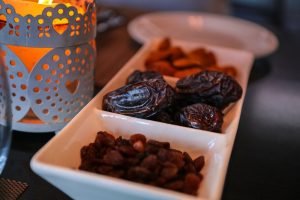
Search "health benefits of kurma ajwa" and most pages read like a supplement ad. This one won't. Ajwa is a fruit, and a good one, but the honest version of this topic is about what you're actually paying for when a pemborong kurma prices Ajwa two or three times higher than an ordinary variety.
The nutrition, without the exaggeration
Ajwa has potassium, magnesium, fibre, and natural sugar — the same nutrients found in most premium date varieties, in roughly similar amounts. It isn't dramatically more nutritious than Safawi or Mariami sitting next to it on the shelf. What sets it apart is taste, texture, and the antioxidant compounds that give it its dark colour, not a health advantage big enough to justify triple the price on nutrition alone.
So why does it cost more?
Three real reasons: it's grown in a specific region around Madinah with limited output, demand spikes hard around Ramadan and Hajj season, and the smaller, denser fruit means more pieces are needed per kilo than with a large Medjool. None of that is a health claim — it's supply and demand, same as any specialty crop.
Where "murah" and Ajwa actually meet
Buying kurma murah doesn't mean skipping Ajwa entirely — it means buying it at the right time and in the right format. Prices dip outside the Ramadan rush, and buying loose by the kilo from a pemborong instead of pre-packed retail boxes usually saves 15-30% for the same grade. Splitting a bulk order with family or neighbours is the other common way people afford Ajwa year-round instead of only during festive season.
What actually separates a good batch from an overpriced one
Skin colour should be even, dark brown to near-black, not patchy. Texture should give slightly under thumb pressure without being sticky or dried stiff. A batch that smells faintly fermented has been stored too long or too warm — walk away regardless of the price tag, since that's a storage problem no discount fixes.
Using it without wasting any
Because Ajwa costs more, it's worth using deliberately rather than snacking through a box in a week. Chop it into oatmeal or yoghurt instead of eating it straight, blend the softer pieces into a paste for baking so none go to waste, and save the firmest pieces for gifting — they hold their shape best in a box.
Storing it so the price holds up
Keep it sealed, away from direct heat and sunlight. Dates bought in bulk and left in a hot kitchen dry out and lose flavour within weeks — the same batch kept in a cool, dark cupboard holds its texture for months, which matters more when you've paid Ajwa prices for it.
Highlights
- Nutrition is genuine but not dramatically different from other premium date varieties — no disease claims here.
- The higher price comes from limited regional supply and seasonal demand, not a proven health edge.
- Buying loose by the kilo from a pemborong, outside Ramadan season, is the practical way to save 15-30%.
- Even colour, slight give under pressure, no fermented smell — the three checks before buying.
- Sealed, cool, dark storage keeps the price you paid from going to waste.